Source Brass Garden Hose Quick Coupler for Irrigation, Farm, and Power Stations
Compare 30 brass garden hose quick coupler options from Chinese manufacturers with varying thread types, materials, and custom support. Buyers can evaluate specifications for garden irrigation, farm use, and industrial applications like power stations.
Key considerations
Products List


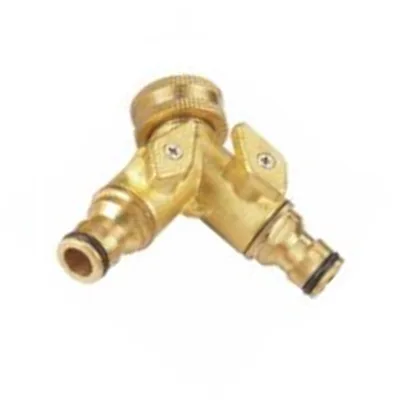


Comprehensive Sourcing Guide
Strategic Sourcing Guide for Brass Garden Hose Quick Couplers
Understanding Product Specifications and Material Variability
When sourcing brass garden hose quick couplers, the primary objective is to align technical specifications with the intended operational environment. The market presents a diverse array of configurations, necessitating a granular understanding of the attributes provided by potential suppliers. The core material for these components is predominantly brass, yet the supply chain also offers alternatives such as stainless steel, medium carbon steel, and copper. While brass is the standard for corrosion resistance and malleability in irrigation contexts, the specific alloy composition can vary. Buyers must verify whether the product is manufactured from raw brass, stainless steel, or copper, as these materials dictate the final weight, durability, and resistance to environmental stress.
The physical dimensions and thread standards are equally critical. Observed product models indicate a wide range of sizes, from 1/2 inches to 3/4 inches, with some offerings extending to customized dimensions. The thread types observed include Ght, Bsp, and Pg threads, alongside specific standard designations like 1/2"M or 3/4"M. It is essential to note that while some listings cite specific models such as ZS-HC-1019-3 or KL-62, these are often internal manufacturer codes rather than universal industry standards. The head type is another variable, with hexagon and round heads being the most common configurations observed. The connection type is typically defined as either male or female, and the tolerance for these components is often cited as +/-0.005mm, a precision level that requires rigorous quality assurance during the manufacturing process.
| Attribute Category | Observed Variations | Verification Requirement |
|---|---|---|
| Material | Brass, Stainless Steel, Copper, Medium Carbon Steel | Confirm raw material composition via mill certificates. |
| Size | 1/2", 3/4", Customized | Verify against hose diameter and flow rate requirements. |
| Thread Type | Ght, Bsp, Pg, 1/2"M, 3/4"M | Match with existing irrigation system fittings. |
| Connection | Male, Female | Ensure correct mating pairs for the specific application. |
| Head Type | Hexagon, Round | Select based on required tooling and torque application. |
Compliance, Standards, and Certification Verification
Navigating the compliance landscape for brass fittings requires careful attention to the standards cited in supplier documentation. The observed data indicates a mix of international and domestic standards, including DIN, GB, ANSI, BSW, and JIS. Some listings specify a "custom" standard, while others reference specific model numbers that may imply adherence to a particular internal or regional protocol. It is a common misconception that a single product line satisfies all global standards simultaneously. Instead, buyers must treat each standard as a specific claim that requires validation. For instance, a product claiming DIN compliance must be verified against the specific DIN standard relevant to pipe fittings, rather than assuming a generic certification.
The origin of the product plays a significant role in the regulatory framework. Most observed listings indicate origins in China, specifically from regions such as Zhejiang, Taizhou, and Wenzhou. While these regions are known for manufacturing prowess, the regulatory environment varies. Buyers should not assume that products labeled with "Standard" or specific model numbers automatically meet the safety or performance requirements of their local jurisdiction. The presence of a "Three Years" warranty in some listings suggests a confidence in product longevity, but this is a commercial term rather than a technical certification. To ensure compliance, procurement teams must request independent test reports that verify the material against the claimed standards (DIN, GB, ANSI, etc.) and confirm that the manufacturing process, such as forging, meets the necessary quality benchmarks.
Cost Drivers and Pricing Structure Analysis
The pricing structure for brass garden hose quick couplers is influenced by several dynamic factors, including material costs, manufacturing complexity, and order volume. The observed price range in the market spans from $0.10 to $5.00 USD, a wide variance that reflects differences in material quality, size, and customization levels. The minimum order quantity (MOQ) also fluctuates significantly, ranging from 1 unit to 5,000 units. This variability suggests that the market accommodates both small-scale trial orders and large-volume industrial procurement.
Material cost is a primary driver of the final price. Brass, being a copper-zinc alloy, is subject to global commodity price fluctuations. Products made from stainless steel or copper may command a premium over standard brass variants. Additionally, the surface treatment process impacts cost. While some listings indicate "Without Treatment," others offer finishes like Golden, Nickel, or Chromed, which require additional processing steps and materials. Customization is a significant cost factor; products offering OEM and ODM support, or those with customized sizes and thread types, will inherently carry higher unit costs due to the setup and tooling required. Buyers must balance the initial unit price against the total cost of ownership, considering factors like lead time, packaging requirements (ranging from simple polybags to wooden cases for sea transport), and the potential for bulk discounts associated with higher MOQs.
Typical Applications and Usage Scenarios
The versatility of brass garden hose quick couplers allows them to serve a broad spectrum of applications, from residential gardening to heavy industrial infrastructure. The most common usage scenario is garden or farm irrigation, where the quick coupler facilitates the rapid connection and disconnection of hoses for water distribution. In these settings, the durability of the brass material is crucial to withstand frequent handling and exposure to outdoor elements. The observed feature of "Solid Brass with Long-Lasting Durability" directly addresses the needs of agricultural and landscaping professionals who require reliable equipment that can endure daily use.
Beyond residential and agricultural use, these fittings are also deployed in more demanding environments. Specific listings highlight usage in power stations, gas facilities, sewage treatment plants, and public works projects. In these industrial contexts, the quick coupler must withstand higher pressures and more corrosive environments than standard garden hoses. The selection of the appropriate material, such as stainless steel or specific brass alloys, becomes paramount to ensure safety and reliability. The connection type (male or female) and thread standard must be precisely matched to the existing infrastructure to prevent leaks and ensure system integrity. Buyers should carefully evaluate the specific operational demands of their project to select a coupler that offers the necessary strength and compatibility, rather than relying on a generic "garden" classification.
Supplier Evaluation and Customization Capabilities
Evaluating a supplier for brass quick couplers requires a deep dive into their customization capabilities and production processes. The market data indicates that customization is widely available, with many suppliers offering OEM and ODM support. This flexibility allows buyers to tailor the product to their specific branding and technical requirements. The production techniques observed include forging, a process that enhances the structural integrity of the metal compared to casting. Buyers should verify the supplier's capacity to execute specific forging processes and their ability to maintain tight tolerances, such as the observed +/-0.005mm.
The origin of the supplier is another critical evaluation metric. The majority of observed products originate from China, with specific hubs in Zhejiang, Taizhou, and Wenzhou. While these regions offer competitive pricing and manufacturing scale, buyers must assess the supplier's logistical capabilities, including their packaging methods (e.g., polybag + carton, plastic bag + inner box + carton, or wooden cases for sea transport). The ability to provide neutral or customized packaging is often a requirement for buyers looking to brand the product or meet specific shipping regulations. Furthermore, the supplier's adherence to standards like DIN, GB, ANSI, BSW, and JIS should be verified through documentation, as the mere presence of these labels does not guarantee compliance. A robust supplier evaluation should include a review of their quality control systems, their ability to handle varying MOQs, and their track record in delivering customized solutions.
Quality Control and Long-Term Procurement Considerations
Ensuring the long-term reliability of brass garden hose quick couplers requires a rigorous quality control (QC) strategy. The observed product attributes, such as the "Three Years" warranty and specific material claims, serve as indicators of potential quality, but they are not substitutes for independent verification. Buyers should implement a multi-stage QC process that includes material verification, dimensional inspection, and pressure testing. The tolerance of +/-0.005mm is a high-precision requirement that necessitates the use of calibrated measuring instruments during the inspection phase.
Long-term procurement considerations also involve the stability of the supply chain. The wide range of MOQs (1 to 5,000) suggests that suppliers are flexible, but buyers must ensure that the supplier can maintain consistent quality and delivery times as order volumes scale. The packaging method is a key factor in long-term preservation; products shipped in wooden cases for sea transport are better protected against moisture and physical damage than those in simple polybags. Additionally, the surface treatment, whether it is "Without Treatment" or a finish like Golden/Nickel/Chromed, must be durable enough to withstand the intended environment. Buyers should establish clear acceptance criteria based on the observed specifications and standards, ensuring that every shipment meets the agreed-upon technical and quality benchmarks before acceptance. By focusing on these critical aspects, procurement teams can mitigate risks and secure a reliable supply of high-quality brass quick couplers for their operations.
FAQs
What materials are used for brass garden hose quick couplers?
The primary materials include brass, stainless steel, copper, and medium carbon steel. Buyers should verify the specific raw material composition via mill certificates to ensure the product meets durability and corrosion resistance requirements for their intended application.
Which thread standards are available for these fittings?
Available thread types include Ght, Bsp, Pg, and specific designations like 1/2M or 3/4M. It is essential to match the thread standard with existing irrigation system fittings to prevent leaks and ensure system integrity during operation.
Can suppliers provide customization for size and branding?
Yes, customization is available with OEM and ODM support for sizes and branding. Products can be customized to specific dimensions like 1/2 to 3/4 inches, though this may affect unit costs due to additional tooling and setup requirements.
How are these couplers packaged for shipping?
Packaging options range from polybags with cartons to plastic bags with inner boxes and wooden cases for sea transport. The choice of packaging depends on the order volume and shipping method to ensure protection against moisture and physical damage.
What standards do these fittings typically comply with?
Fittings may comply with standards such as DIN, GB, ANSI, BSW, and JIS, or be produced to custom standards. Buyers must request independent test reports to verify that the specific product meets the claimed standards rather than assuming generic compliance.
What is the typical price range for these couplers?
The observed price range spans from 0.1 to 5 USD per unit. This variance reflects differences in material quality, size, surface treatment, and customization levels, with brass and stainless steel variants often commanding different price points.
Where are these products typically manufactured?
Most products originate from China, specifically from regions like Zhejiang, Taizhou, and Wenzhou. Buyers should assess the logistical capabilities of suppliers in these hubs to ensure consistent quality and delivery times for their procurement needs.